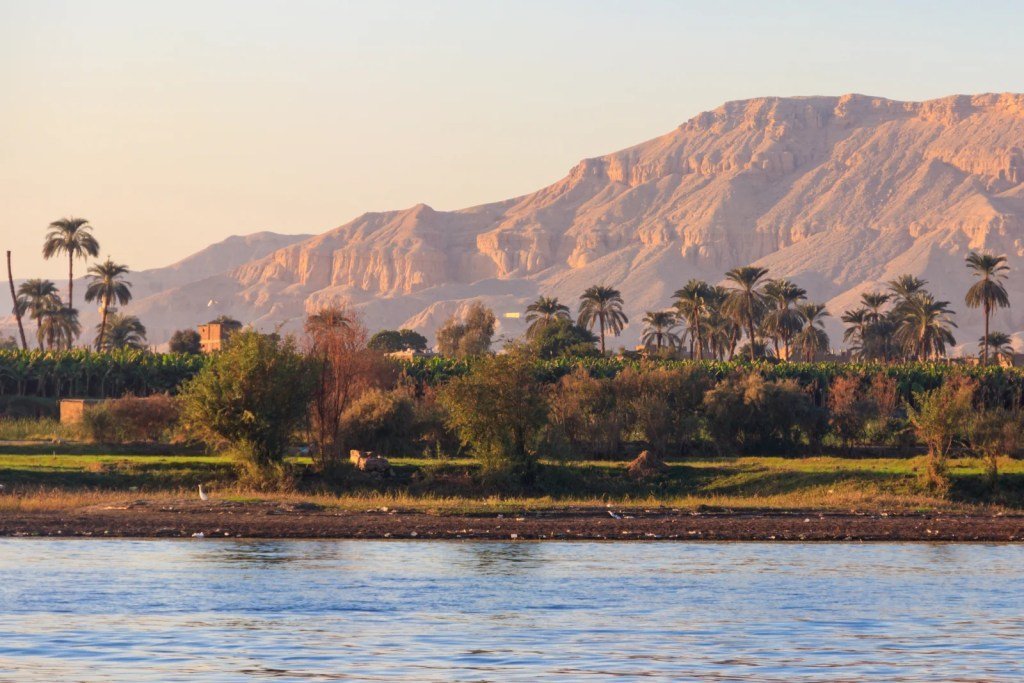
A dahabiya cruise from Luxor to Aswan is not simply a trip along the Nile. It is a chance to travel the way people did in the golden age of Egyptian tourism, when sailing was slow, graceful and full of discovery.
Unlike the large floating hotels that hurry from one site to the next, a dahabiya moves quietly along the river and stops at villages, temples and quiet places most visitors never see.
Why Choose a Luxor to Aswan Dahabiya Cruise?
If you want to see Egypt at a gentler pace, a dahabiya is the right boat. With only a handful of cabins these wooden sailing boats have a warm and personal feeling on board. The crew learns every guest by name, the food is cooked fresh each day, and the itinerary can flex around the river.
Most importantly, a dahabiya reaches places the big ships simply cannot. The water is too shallow, or there is no dock at all, and that is exactly why those places stay quiet.
You can read more about what a dahabiya actually is and how it differs from a conventional Nile cruise.
1. Luxor: Where the Journey Begins
Every cruise begins in Luxor, the city once known as ancient Thebes, and it holds some of Egypt’s greatest treasures.
Walk among the endless columns of Karnak Temple, visit Luxor Temple when it is lit at night, and cross to the Valley of the Kings and Queens where the pharaohs were buried. Spending time here before you sail gives you a sense of scale and history that stays with you all the way down the Nile.
2. Esna: A Quiet Discovery
Large cruises usually pass straight by Esna. A dahabiya stops.
Beneath the streets of the modern town lies the Temple of Khnum, sunk below the present ground level. Its astronomical ceiling and its calm setting make it one of those quiet discoveries that stays with you long after the trip ends.
3. El Kab: Ancient Tombs and Desert Paths
Further south comes El Kab, where cliffside tombs are decorated with vivid painted scenes and prehistoric rock carvings sit out in the open.
The walk through the desert paths feels timeless. There are no crowds here, just sand, silence and the marks people left thousands of years ago.
4. Edfu: The Temple of Horus
Edfu is home to one of the best preserved temples in all of Egypt. Dedicated to the falcon god Horus, it is complete enough that you can follow how the rituals actually worked, room by room.
Arriving by dahabiya usually means avoiding the busiest hours, so the visit feels calmer and more personal.
5. Gebel el Silsila: Dinner Under the Stars
One of the most memorable stops on the whole route. Gebel el Silsila was once a great sandstone quarry, and you can still see the small chapels cut into the cliffs and the tool marks left in the rock face.
Many dahabiyas moor here for the night. Dinner on deck by candlelight with the cliffs glowing in the moonlight is not something a large ship can offer.
6. Kom Ombo: The Temple of Two Gods
Kom Ombo rises straight from the riverbank. What makes it unusual is the design: one half dedicated to Sobek the crocodile god, the other to Horus, with two of everything.
The small museum next door displays mummified crocodiles recovered from the site, a reminder of how closely the Nile was tied to daily life and belief in ancient Egypt.
7. Aswan: A Calm Finale
The cruise ends in Aswan, a city of Nubian character and quieter water.
Here you can visit Philae Temple, reachable only by boat, see the Unfinished Obelisk still lying in its quarry, or spend time in the colourful Nubian villages. Aswan is a good place to slow down and take in the river one last time.
From here you can continue to Abu Simbel, or simply stay a few days along Aswan’s banks.
See the full route
Our Luxor to Aswan programme runs five days and four nights, with Saturday departures from October through May.
Experience the Nile Differently
A Luxor to Aswan dahabiya cruise is not about rushing between monuments. It is about the sunrise from the deck, the walk through a village where nobody is selling anything, and the evening when the wind drops and the river goes completely still.
With fewer people, a flexible schedule and stops chosen for what they are rather than where the dock is, it starts to feel as though the Nile belongs to you.
For curious travellers, couples and anyone who values culture and authenticity, this remains the most rewarding way to see Egypt’s timeless river.